Predictive Analytics • 100K transactions
Deep Learning-Based Credit Card Fraud Detection
Fraud analytics solution with threshold tuning to balance detection performance and customer experience.
PythonScikit-learnTensorFlow/KerasPyTorch GeometricKeras Tuner
Executive summary
Designed a fraud detection analytics solution with threshold tuning to balance detection performance and customer experience, translating business requirements into measurable evaluation decisions.
Problem
- Fraud detection must balance false positives (customer friction) vs false negatives (loss).
- Success depends on the right metric + threshold, not only model accuracy.
Data
Scale
100K transactions
Notes
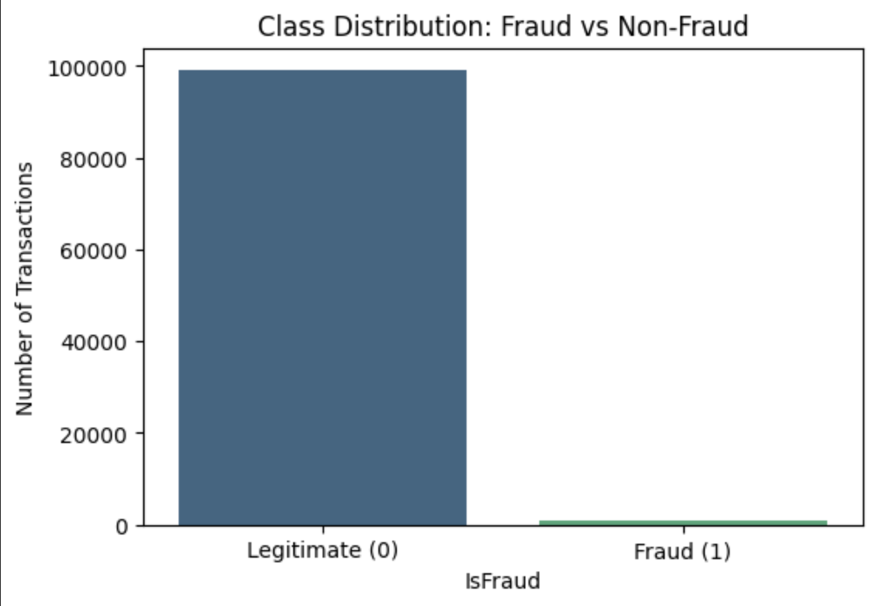
- Fraud problems are typically imbalanced; PR-focused evaluation is often more informative (add your chosen metrics).
Approach
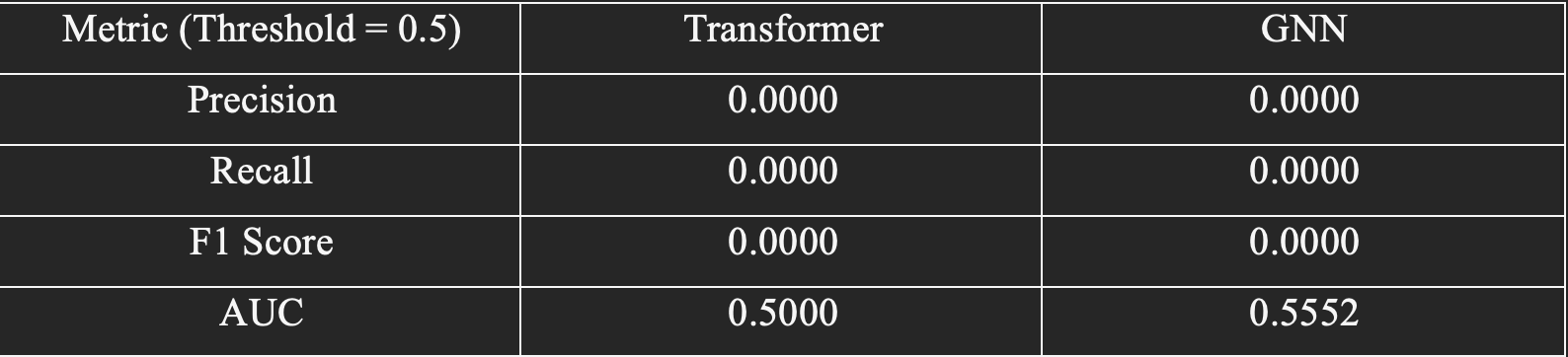
- Built and compared multiple ML/DL approaches (update exact models later).
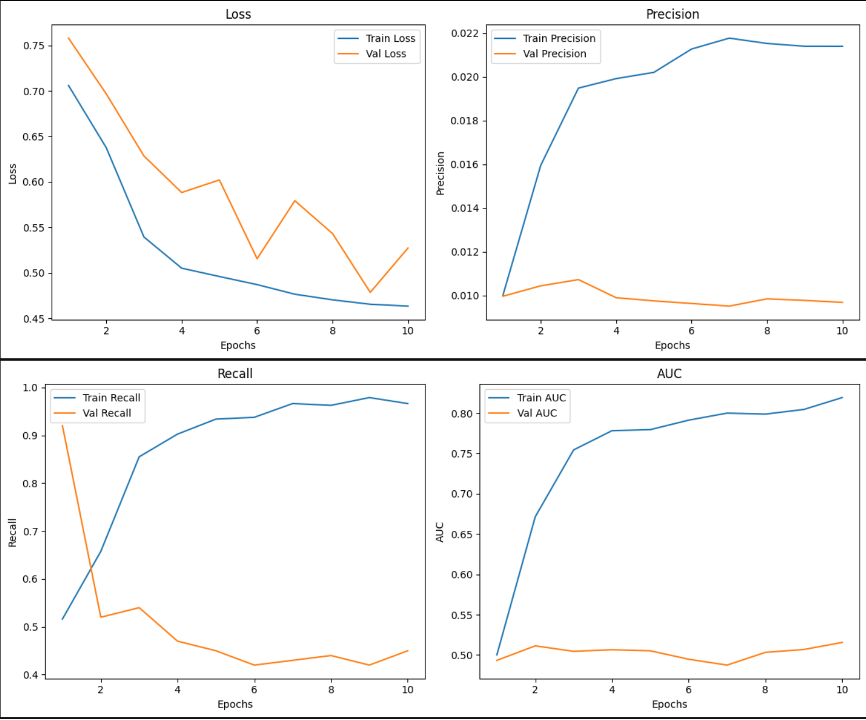
- Evaluated trade-offs using appropriate metrics for imbalance (update with your final choice).
- Optimized the decision threshold to align with operational/business trade-offs.
Insights
- Threshold selection materially changes operational outcomes (fraud captured vs customer friction).
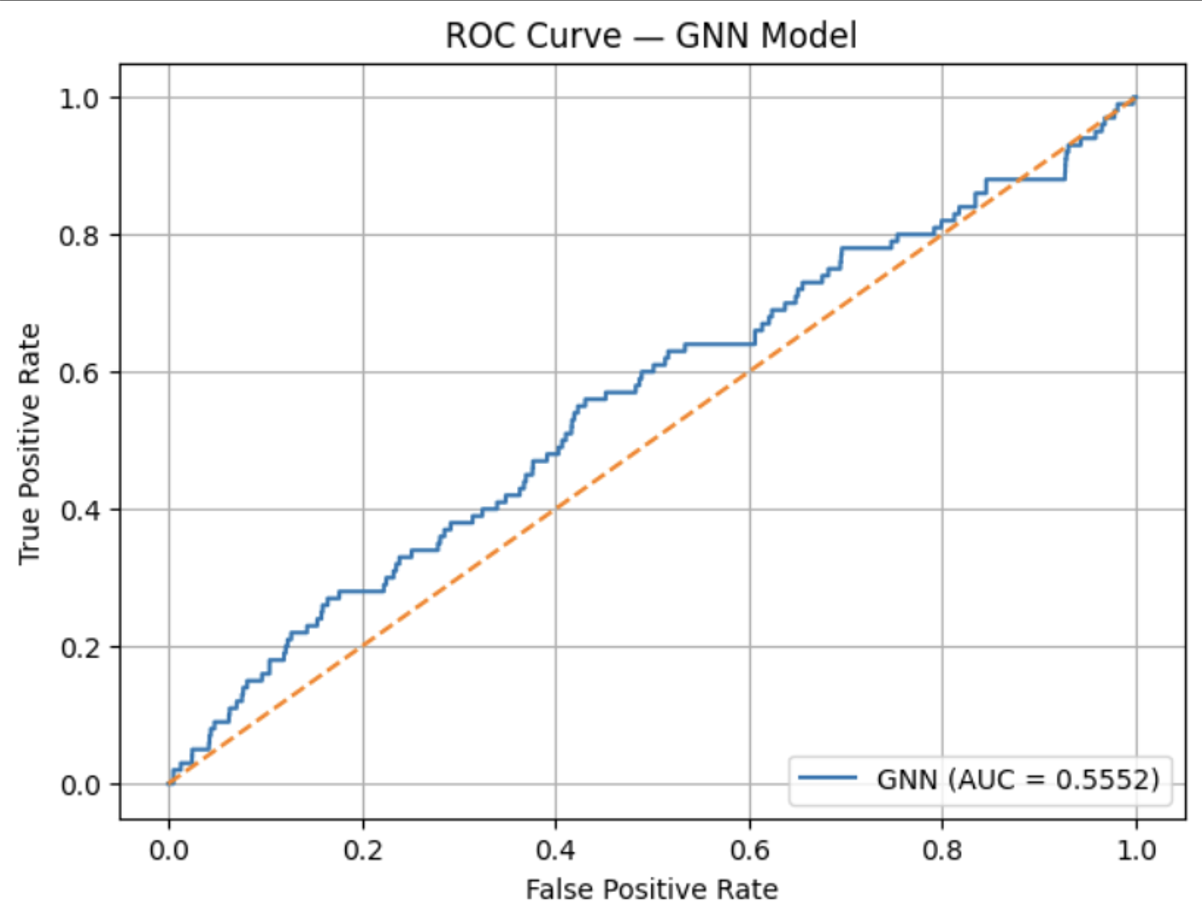
- PR-focused analysis provides clearer signal on rare-event detection (add your plots).
Impact
- Delivered decision-threshold guidance for deployment-focused operations.
- Created an evaluation framework to support cost-aware risk decisions.
Screenshots